 ← All Games
The park bench is the ultimate test for any improviser. Two worlds collide here: the pure openness of the person sitting and the creative assertiveness of the newcomer. It's all about the golden rule of improv theatre: "Yes, and...". Anyone who rejects the other person's reality or tries to keep control loses.
The Scenario: The Blank Canvas
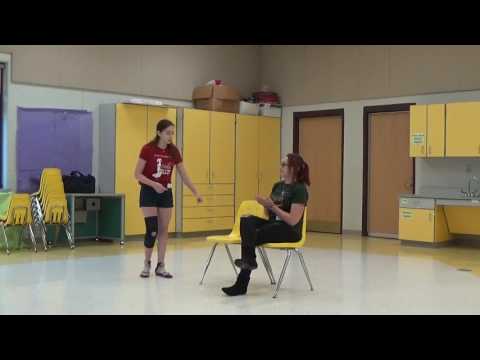
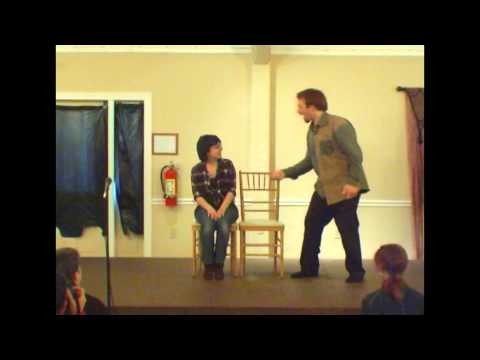
On stage, a few chairs represent our park bench. One player is already sitting there. They are a blank slate with no character, no story and no goal. This is a wonderful state of complete irresponsibility. They simply wait for fate to enter the stage in the form of a fellow player.
The golden rule: Don't be good, be ready! Don't try to be original or clever. If you're thinking, you're blocked. Instead, let your partner take control.
How to Play: Two Paths into the Scene
You can decide whether you'd rather revel in characters or have a hard displacement battle. In both cases: Give your partner an identity.
Variant A: The Identity Trap
A second player enters the stage. Only they know who they themselves are, and more importantly, who the person on the bench represents to them.
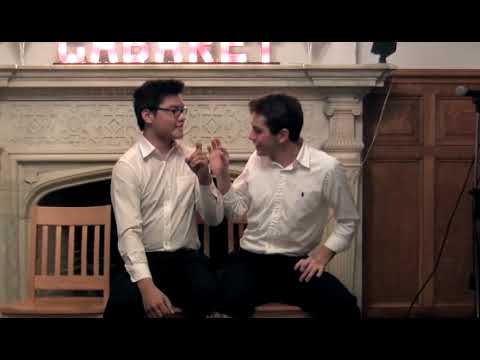
- The Moment of Projection: The newcomer must "recognise" the person sitting. Is it their former crush, the vicar who ruined their wedding, or a living god? The decision shouldn't rest with you, but with your scene partner.
- Accept Without Resistance: The person sitting must accept the identity assigned to them like a gift. If your partner kneels before you, don't play modest — be a god! Accept the status being forced upon you. Anyone who resists kills the scene. The game ends when the roles are clear or someone leaves the scene.
Variant B: The Eviction (The Battle for Space)
This is where it gets competitive. One player sits while up to two others take turns trying to make them stand up using every trick of the acting trade.
- Moral Offers: If you paddle across the stage as a drowning person, that's an offer. The person sitting can help or watch mercilessly. If they stay seated, they're simply playing a psychopath or someone paralysed with fear. That's great theatre!
- The Forced Hand: If a fellow player rolls up with an imaginary bulldozer, the person sitting must give way. Unless they find a justification that raises the stakes, for example by chaining themselves to the bench as an activist.
- The Switch: If an attempt fails, the next player steps up. Failing is wonderful, as long as you do it with pride and make room for a completely new story.
Tips from the Coach: Stop Trying to Shine
- Be specific: The clearer the assertion, the easier it is for your partner to react.
- Body language is status: A sitter who spreads out tells a different story to one who clings shyly to the edge.
- Play the reaction, not the idea: Let yourself be guided by emotion rather than a clever plot.
- Give up control: A good improviser is like someone holding their partner's hand in the dark. When it gets boring, it's usually because you're trying to be logical or efficient.
The goal: Stay in character, accept every offer and go for it. Don't be safe, just be there!